




At Homz UK, we specialise in preparing robust supporting documents with drawings that satisfy local councils and protect your property rights.
Need Support with Your Certificate of Lawfulness?
A Lawful Development Certificate (LDC) — also known as a Certificate of Lawfulness — is an official legal document issued by the Local Planning Authority confirming that a development or use is lawful for planning purposes.
Your project might fall under Permitted Development Rights, but this doesn’t mean it’s ticket-free! Unless the proposal is officially recognised by the council with Certificate of Lawfulness it is still open for interpretations. Neighbouring disputes, future potential council restrictions like Article 4, etc. might change the how the council assess your development. We have dealt with so many clients’ Retrospective Planning Permissions for works they completed that were once Permitted Development. Also to note, without Certificate of Lawfulness approval selling or refinancing your property might fail so we always advise our customers to get this paperwork completed while you are right on the beginning with your journey. Unlike standard planning permission, an LDC is not based on planning opinion or design considerations. Instead, it is a legal determination based on:
- Planning legislation
- Permitted Development Rights
- Time limits for enforcement
- Evidence demonstrating lawful use or development
At Homz, we prepare robust, evidence-led Lawful Development Certificate applications to help clients:
✔ Confirm permitted development rights
✔ Legalise existing works or uses
✔ Avoid planning enforcement action
✔ Support property sales and refinancing
✔ Gain certainty before construction begins
If any of the above applies to you, Homz can help. Our team provides urgent planning support, fast document preparation, and strategic advice to minimise risk and maximise approval chances.
Unlock Your Success with UK Planning Applications
Team Up with Our Award-Winning Company!
Our Process


We Love Our Client Feedback!





Call Us Today & Get Your Application Sorted
Let Homz UK support your planning application with clear, compliant, and cost-effective services. We have a 10 Working Day Submission Policy. Act before it’s too late!
How to Avoid Fines or Demolition and Secure LDC Approval
Certificate of Lawfulness for Proposed Development (Proposed LDC)
A Proposed Lawful Development Certificate confirms that planned works or a proposed use would be lawful before construction begins. This is commonly used for:
- Rear home extensions
- Loft conversions
- Garage conversions
- Outbuildings and garden rooms
- Roof alterations
- Changes of use under permitted development rights
A Proposed LDC gives homeowners and developers peace of mind that works can legally proceed without requiring full planning permission.
Not sure? Book your Pre-Planning Advice with one of our Planing Officers and we’ll quickly assess your site and confirm what documents are needed — and what level of detail the council expects.

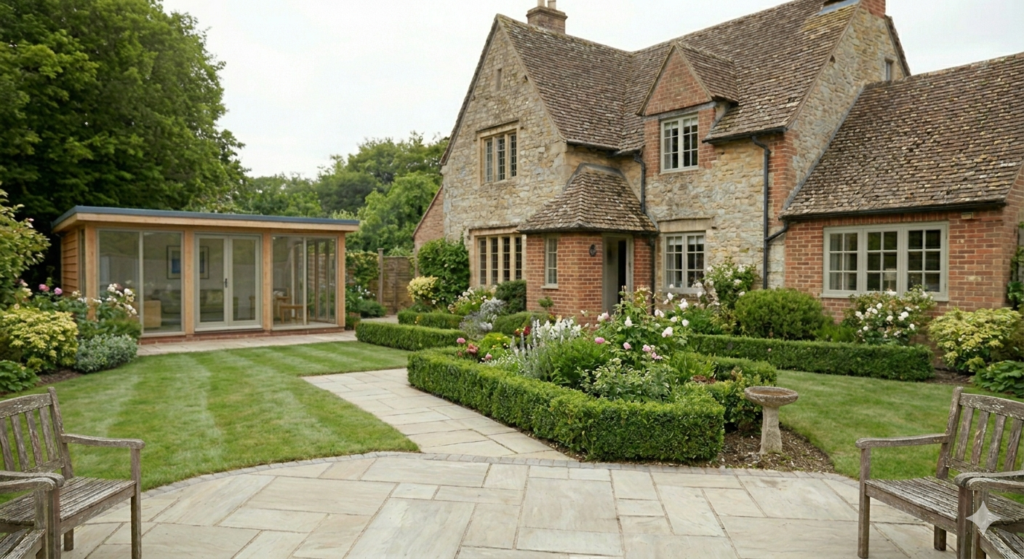
Certificate of Lawfulness for Existing Use or Development (Existing LDC)
An Existing Lawful Development Certificate proves that works or uses already carried out are lawful because they:
- Did not require planning permission
- Benefited from permitted development rights
- Have existed beyond the council’s enforcement time limits
This often applies to:
- Retrospective building works
- Existing HMOs
- Long-term commercial uses
- Extensions built without planning permission
- Outbuildings or annexes
- Flats or subdivisions
Why Apply for a Lawful Development Certificate?
Many homeowners assume permitted development rights are enough — but an LDC provides formal legal confirmation.
Benefits include:
– Legal certainty before construction
– Protection against future enforcement action
– Stronger position when selling or refinancing property
– Reduced risk during conveyancing
– Official confirmation from the council
– Faster future planning applications
Mortgage lenders and solicitors increasingly request LDCs during property transactions.


The 4-Year and 10-Year Rules Explained
One of the most common reasons for applying for an Existing LDC is the expiry of planning enforcement time limits.
4-Year Rule applies to:
- Operational development (e.g. extensions, buildings)
- Unauthorised residential use as a single dwellinghouse
If the development has existed continuously for 4 years without enforcement action, it may become lawful.
10-Year Rule applies to:
- Breaches of planning conditions
- Most changes of use
- HMOs and commercial activities
If the use has continued continuously for 10 years, it may become immune from enforcement. Strong evidence is critical when relying on the 4-year or 10-year rules.
Real-Life Success Stories
Rear Extension – Enfield
Proposed LDC granted confirming permitted development compliance for single-storey rear extension.
Existing HMO – Croydon
Successfully proved continuous HMO use beyond 10 years using tenancy records and statutory declarations.
Garden Annexe – Surrey
Existing LDC approved for ancillary residential use after retrospective concerns were raised during property sale.


Why Choose Homz for Lawful Development of Certificate?
Whether you’re facing a deadline, selling your home, or want to secure legality f your project – we’re ready to help. We help clients secure legal certainty and protect the value of their property investments.
✔ Planning & Legal Strategy Expertise – We understand both policy and enforcement law
✔ Evidence-Led Applications – Strong supporting documentation prepared professionally
✔ Fast Turnaround – Quick assessments and submission support
✔ Retrospective Planning Specialists – Extensive experience handling complex existing-use cases
✔ UK-Wide Coverage – Supporting homeowners, landlords, and developers nationwide
You can go to our Cost Calculator to get costs for your project. Our experts are happy to provide a Free No-Obligation Chat to discuss the next steps with you.

Get Legal Certainty for Your Property
Whether you’re planning a new extension, legalising historic works, or proving long-term use, Homz provides expert Lawful Development Certificate services tailored to your project.
Our Retrospective Planning Application Services
Lawful Development Certificate applications are evidence-based legal submissions. Councils require clear documentation proving lawfulness. We work directly with your local planning authority to ensure your submission aligns with national planning policy (NPPF) and local development frameworks.
At Homz UK, we provide a full-service approach to LDC approvals, including:
Unlike planning applications, the councils cannot refuse an LDC based on design opinion and the neighbour objections are not usually relevant. LDC applications are assessed under:
- The Town and Country Planning Act 1990
- The General Permitted Development Order (GPDO)
- Relevant appeal decisions and case law
Planning Application Documents:
-
- Completed LDC application form
-
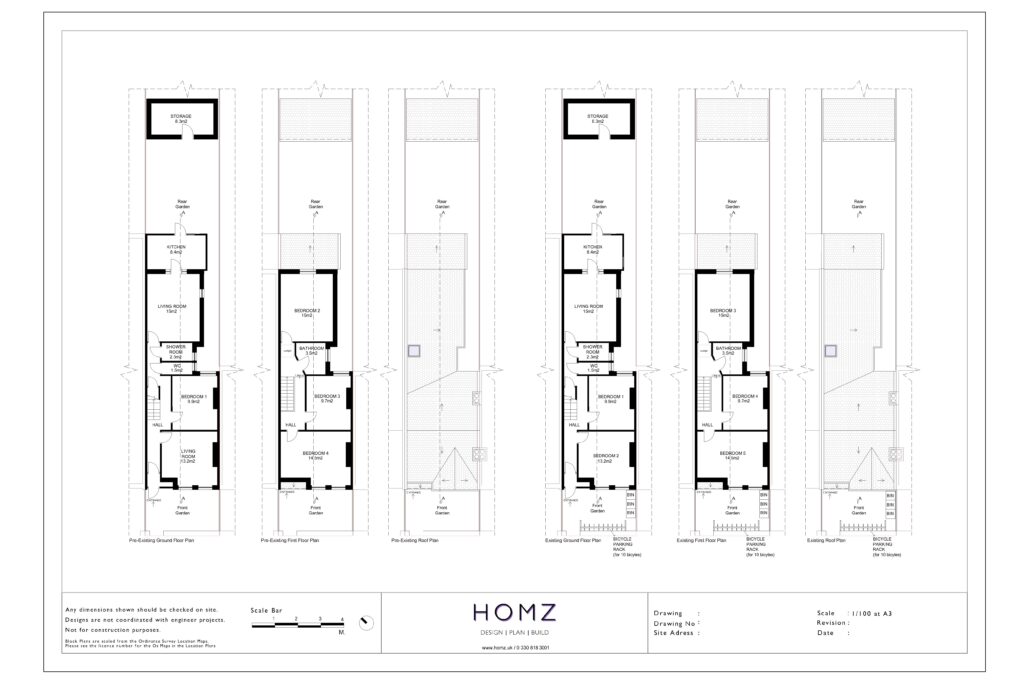
Full set of existing and proposed architectural drawings
- Existing and proposed Site Location Maps and Block Plans
-
Design and Access Statement (including justification of works)
-
Planning Policy Compliance Report
What Evidence Is Required for an LDC Application?
The stronger the evidence, the stronger the application.
- Statutory declarations and sworn affidavits
- Council tax records
- Utility bills
- Tenancy agreements
- Historic photographs
- Business records
Planning Applications Made Simpler & Faster!
Our team of skilled town planners and architects are experienced in a wide spectrum of Planning Applications throughout the UK; including Extensions, Conversions, Change of Use, HMO or New Builds, etc…
Go to our Portfolio page to see what kind of Project Applications we deliver.
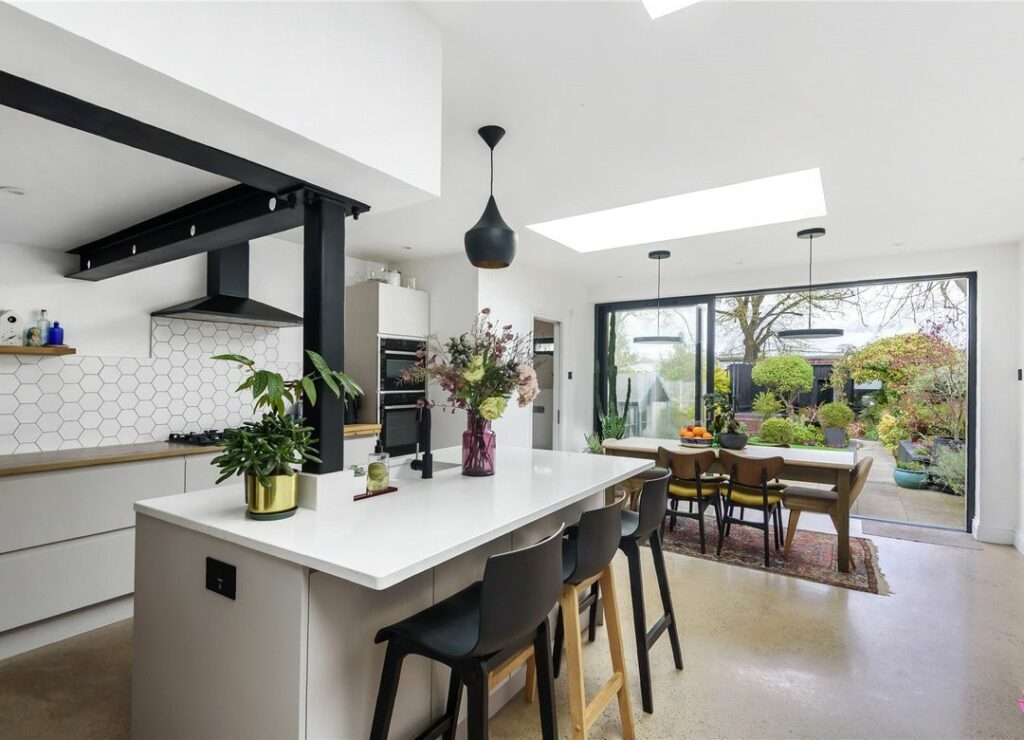


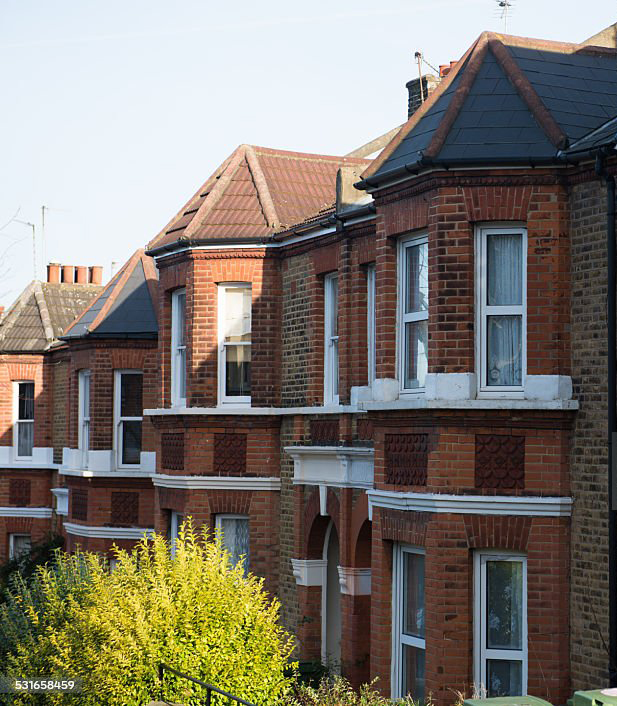

Check Out Some Of The Planning Applications Here Trusted By Thousands of Clients

Frequently Asked Questions – Lawful Development Certificates
Do I need a Lawful Development Certificate if my project is permitted development?
Not legally — but obtaining an LDC provides official proof and protects against future disputes or enforcement.
How long does an LDC application take?
Most councils determine applications within 6-8 weeks. But we have the fastest turnaround average of 2 weeks when it comes to submitting the application to the councils.
Can neighbours object to an LDC?
Unlike planning applications, neighbour opinions are generally not relevant because LDCs are legal assessments rather than planning judgments.
What if my application is refused?
We can assist with:
- Appeals
- Additional evidence preparation
- Revised applications
- Retrospective planning strategies
Does an LDC increase property value?
Yes — formal confirmation of lawful development can strengthen property sales, refinancing, and buyer confidence.