




At Homz UK, we specialise in preparing robust planning in principle applications that satisfy local councils with our End-to-End planning services.
Expert Support for Planning in Principle Applications with Homz
Planning in Principle (PiP) is a form of early-stage planning permission introduced by the UK Government to simplify and speed up the planning process for suitable development sites.
A Planning in Principle application establishes whether the fundamental principle of development — such as housing on a site — is acceptable to the Local Planning Authority (LPA), before progressing to a full technical planning application.
PiP is particularly useful for:
Residential developments
Small housing schemes
Infill developments
Brownfield land opportunities
Land promotion and investment strategies
Unlike a full planning application, PiP focuses primarily on:
✔ Location
✔ Land use
✔ Amount of development
Detailed technical matters are dealt with later through a Technical Details Consent (TDC) application.
Unlock Your Success with UK Planning Applications
Team Up with Our Award-Winning Company!
Our Process


We Love Our Client Feedback!





Call Us Today & Get Your Application Sorted
Let Homz UK support your planning application with clear, compliant, and cost-effective services. We have a 10 Working Day Submission Policy. Act before it’s too late!
Do You Need Submit a Planning in Principle Application?
Why Use Planning in Principle?
Planning in Principle provides developers and landowners with a lower-risk, lower-cost route to test whether a site is likely to receive planning support.
At Homz UK, we regularly advise clients to use PiP when:
- Exploring development potential on land
- Assessing site viability before major investment
- Promoting land for sale
- Seeking investor confidence
- Testing council support for residential use
Not sure? Homz can assess your project quickly through our planning appraisal service. Book your Pre-Planning Advice with one of our Planning officers.


What Types of Developments Can Use Planning in Principle?
Planning in Principle is generally suitable for:
- Small residential developments
- Self-build plots
- Infill housing sites
- Subdivision of residential gardens
- Brownfield redevelopment
- Small-scale housing schemes
- Vacant or underutilised land
PiP is primarily focused on housing-led developments, although some mixed-use elements may sometimes be acceptable.
When Planning in Principle May Not Be Suitable
PiP may not be appropriate where:
- The site is within the Green Belt
- Significant heritage constraints exist
- The proposal involves major infrastructure
- The development is highly complex
- Environmental constraints require detailed assessment upfront
In these cases, a full planning application or pre-application strategy may be more suitable.


Planning in Principle for Landowners & Developers
Many landowners are unaware that their land may have development potential.
Homz regularly helps:
- Homeowners with large gardens
- Owners of unused or underutilised land
- Small developers seeking infill opportunities
- Property investors assessing development viability
- Land promoters preparing sites for sale
Recent Planning in Principle Success Stories
Garden Plot Development – Bromley
Secured Planning in Principle for a detached dwelling within a large residential garden.
Brownfield Site – Essex
PiP approval obtained for 5 residential units on underutilised commercial land.
Infill Housing Scheme – Surrey
Successfully established residential development potential prior to full planning application.


Why Choose Homz UK for Planning in Principle Applications?
We help clients unlock the hidden value of land through smarter planning strategy.
Strategic Planning Expertise – We assess both planning potential and commercial viability
Planning-Led Advice – We understand what councils look for when assessing residential land opportunities
Fast Site Reviews – Quick initial feedback on development potential
UK-Wide Coverage – Supporting landowners and developers nationwide
End-to-End Service – From PiP to full planning permission
You can go to our Cost Calculator to get costs for your project. Our experts are happy to provide a Free No-Obligation Chat to discuss the next steps with you.

Unlock the Development Potential of Your Land
Whether you’re a homeowner with a large garden, a developer assessing a site, or an investor exploring opportunities, Homz UK can help secure Planning in Principle and move your project forward with confidence.
What’s Included in Our Planning in Principle Service?
We work directly with your local planning authority to ensure your submission aligns with national planning policy (NPPF) and local development frameworks.
At Homz UK, we provide a full strategic planning service for PiP applications, including:
Existing and proposed architectural drawings
Site plans and location plans
Design and Access Statements
Preparation and submission of the PiP application
Liaison with planning officers
Amendments and revisions during the determination
Where required, we also advise on:
Ecology issues
Access and highways concerns
Local plan allocation potential
Planning Applications Made Simpler & Faster!
Our team of skilled town planners and architects are experienced in a wide spectrum of Planning Applications throughout the UK; including Extensions, Conversions, Change of Use, HMO or New Builds, etc…
Go to our Portfolio page to see what kind of Project Applications we deliver.
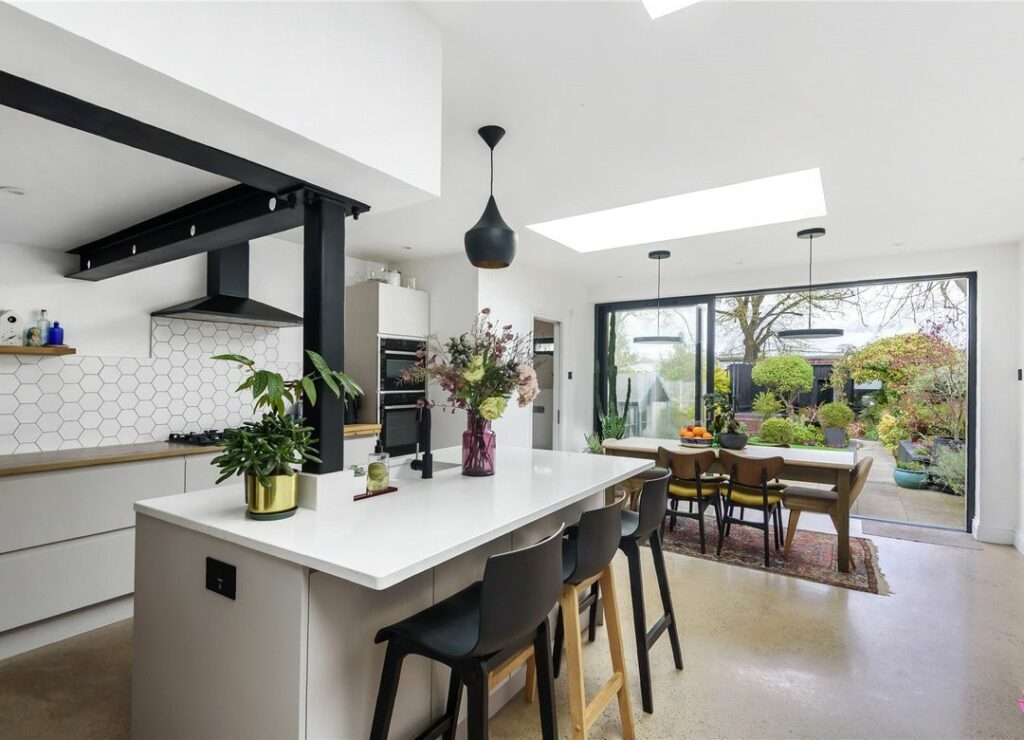
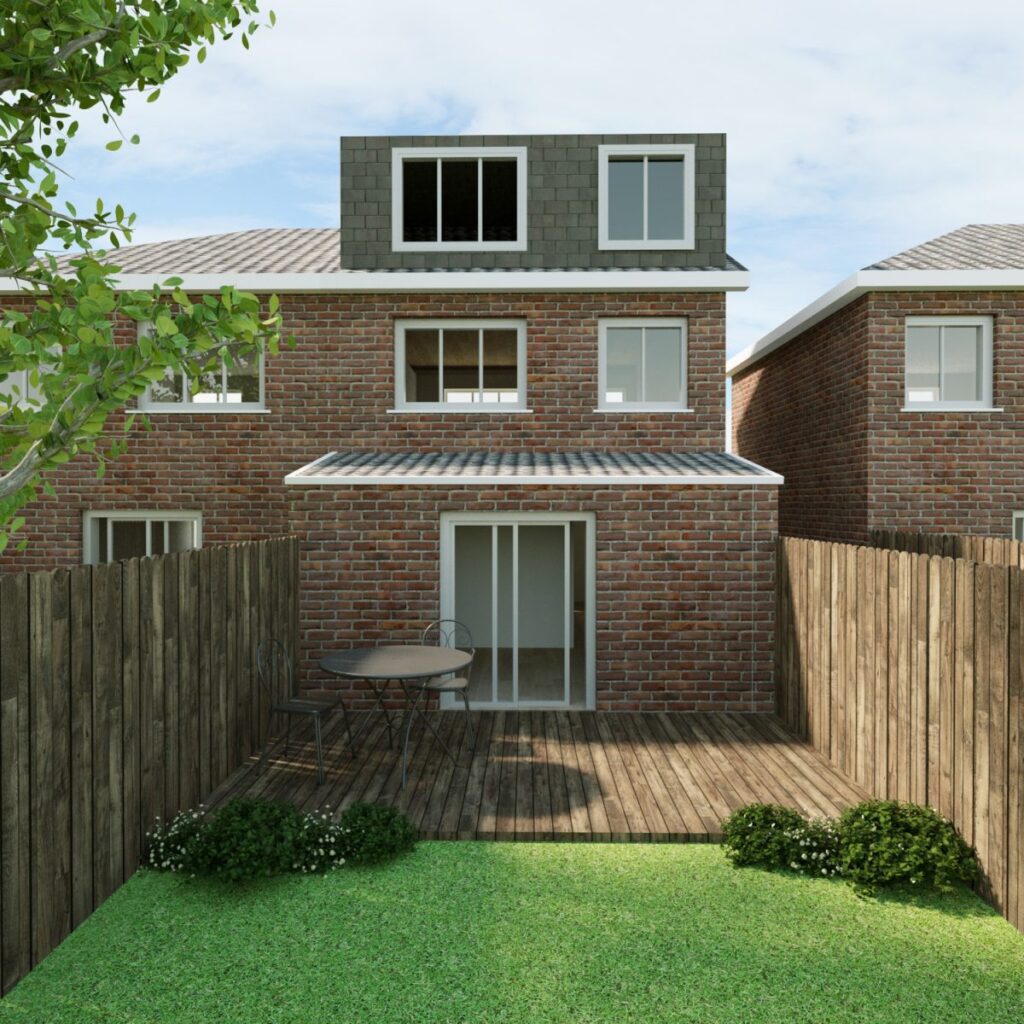


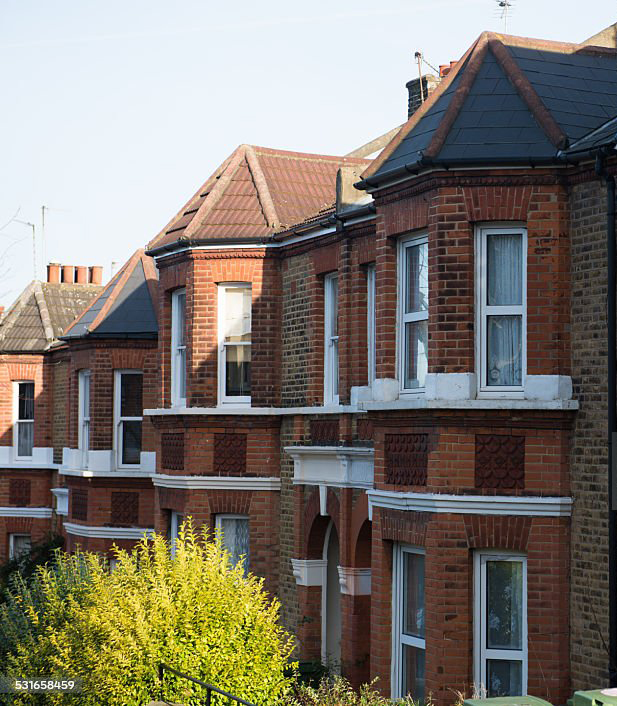

Check Out Some Of The Planning Applications Here Trusted By Thousands of Clients


Frequently Asked Questions – Planning in Principle Applications in the UK
What is the difference between Planning in Principle and full planning permission?
Planning in Principle establishes whether development is acceptable in principle, while full planning permission deals with detailed technical design matters.
How long does Planning in Principle last?
PiP generally lasts for 5 years, during which Technical Details Consent must be obtained.
Can I build immediately after PiP approval?
No — you must first obtain Technical Details Consent before construction can begin.
Does Planning in Principle increase land value?
Yes — establishing development potential often significantly improves land value and attractiveness to developers.
Can PiP be used for commercial developments?
PiP is primarily intended for residential-led development, although some mixed-use proposals may qualify.